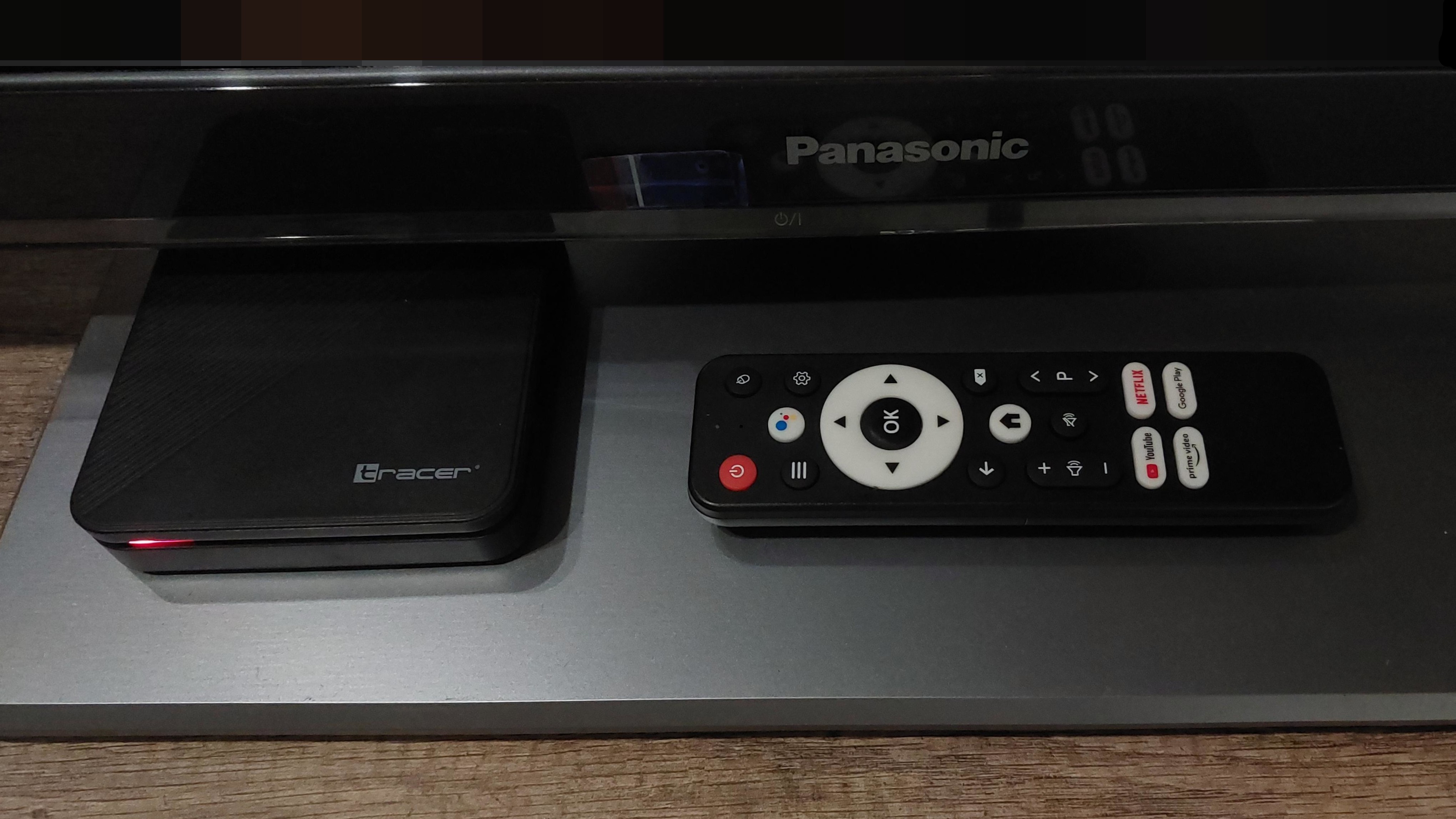
1. What happened
On November 2, Google and its partners disclosed action against XCPE, which Google places in the preceding week without specifying the day. The joint figure exceeds 1.3 million devices; in its own June–October telemetry, TrendAI counts approximately 1.47 million across more than 170 countries. These measurements cover different observation scopes and must not be added together.
2. What is verified
The research describes pre-installed software, system privileges, and modules that monetize traffic and advertising. Google attributes the operation to Videostrong with high technical confidence and assesses a financial purpose; this assessment does not attribute the activity to the Chinese state. TrendAI states that it has observed neither specific buyers of the proxy capacity nor evidence of state use.
3. Why it matters for cyber geopolitics
Published telemetry documents the international distribution, while different brands may conceal a shared dependence on the firmware manufacturer. The response includes Google’s ban on Videostrong producing certified Android devices: the power to regulate future access to this ecosystem therefore sits alongside the need to address devices already installed.
4. Which dependencies can transmit the impact
When a device relays third-party connections, its household address identifies their exit point rather than whoever controls them. A service relying on geolocation alone as evidence of legitimacy could therefore inherit risk from the hardware supply chain. Where new modules activate after startup, initial product verification consequently requires checks on subsequent behavior.
5. Conditional consequences and signals to watch
TrendAI reports that taking down the servers interrupts control while the implant remains on the devices. Alternative infrastructure could reactivate it, although such reconstitution has not been demonstrated after the operation. A lasting interruption, accompanied by verified remediation or replacement, would instead narrow the risk; new command destinations and subsequent telemetry would change the assessment.
6. What to prepare now
Procurement and the IT lead should identify the actual manufacturer, model, firmware, and device support, producing an inventory of shared dependencies and a treatment plan. The fraud prevention lead should reassess IP-based controls, combining them with authentication and behavioral evidence so that residential origin does not automatically become proof of identity or authorization.
Sources and evidence
- Google Cloud / Google Threat Intelligence Group — Shutting the Door on the XCPE Botnet
- TrendAI / Trend Micro — TrendAI Research Helps Disrupt Botnet of More Than 1.3 Million Pre-Infected Set-Top Boxes
- Synthient — The Internals of a Badbox Operation
Google, TrendAI and Synthient participated in the same operation. Their own telemetry and technical observations are distinct, while the joint fleet total is not three independent confirmations.