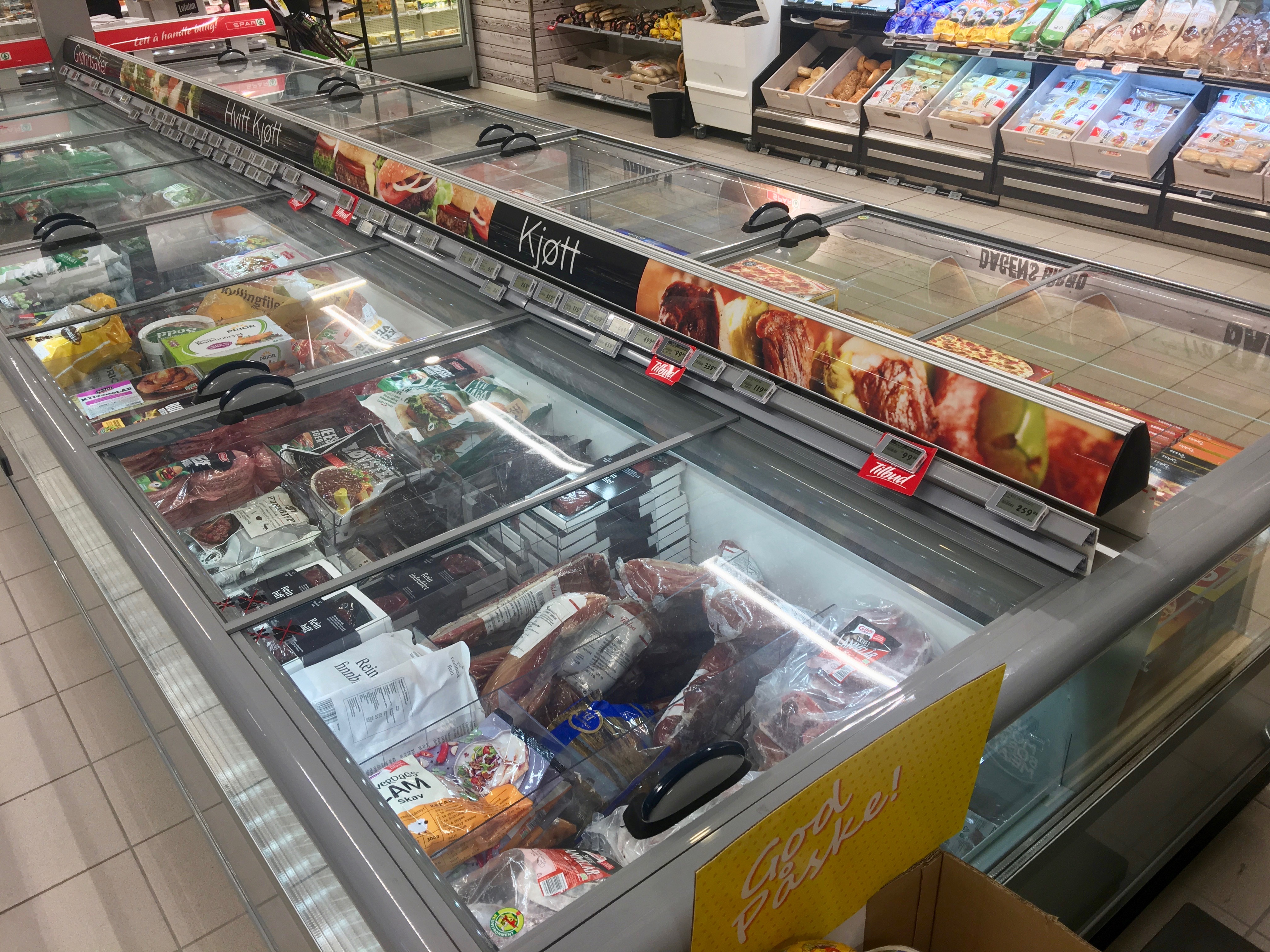
The Systems at the Center of the Incident
During the night of October 11–12, 2026, attacks on refrigeration systems affected French supermarkets. E.Leclerc, Intermarché, and Coopérative U confirmed operational effects and food losses to AFP. CERT-FR issued an alert on October 12 and expanded it the following day to include Copeland and Dixell controllers alongside the Danfoss series already listed.
The available information does not yet establish who conducted the attacks or for what purpose. The alert reviewed does not identify a specific exploited vulnerability. An internet-accessible interface, while relevant to exposure, is not by itself enough to reconstruct how access was obtained.
A Relevant Review Beyond France
For companies using comparable technology, the case warrants attention regardless of geographic proximity. Similar controllers and remote maintenance arrangements may create shared exposures. These must be checked at individual sites, however. The widespread use of a product does not mean that every installation is vulnerable or compromised.
The incidents examined here are those confirmed in France. Establishing an extension to other countries or connecting the attacks to a single directing actor requires technical evidence. Similar effects and close timing are insufficient, and the available sources do not support attribution to a state.
Responsibilities Across Operators and Maintenance Providers
The review should begin with who can access and operate the systems. The manufacturer, maintenance provider, and internal owners should be able to reconstruct authorized access, identify who holds the configurations, and establish who intervenes when remote control is unavailable. Regaining control of a system does not complete the response. The organization still has to determine whether food was stored safely and what action to take on the affected stock.
A joint review by the IT/OT lead and maintenance provider can inventory controllers, check access, configurations, and updates, and assign corrective actions with clear deadlines. Changes should be agreed with those responsible for running the equipment, taking continuity and safety requirements into account.
Putting Procedures to the Test
On the operational side, quality and food safety leads need to verify alarms, on-call coverage, and procedures for operating without remote control. A practical exercise can establish whether the person receiving an alarm knows how to respond and has the authority needed to act.
Further analysis will depend on the technical findings. Additional compromises involving comparable systems could widen the scope of the review. If specific configurations are instead found to explain the incidents, the assessment should be narrowed accordingly.
Sources and Supporting Evidence
This analysis reflects the sources available as of the date shown. Facts, attribution, and potential consequences may require reassessment as new evidence emerges.